


Contracts, Incoterms & Documents
Understand who creates shipment documents, when they are needed and how the set fits together.
1 published guide
Guides in this category

Trading on GAFTA or FOSFA Terms: What the Standard Form Decides Before You Negotiate
A GAFTA or FOSFA form number in a recap imports dozens of printed clauses, other association rules and an arbitration timetable. This guide explains what those forms typically decide, where a conflicting recap creates risk, and gives a checklist of the points the form leaves for the parties.

Electronic Bills of Lading: What Changes for the Seller, the Buyer and the Bank
An electronic bill of lading can carry the same rights as a paper original, but only if a reliable system gives one person exclusive control and a contract or statute recognises it. This guide explains the platform rulebook and the MLETR-based laws, P&I approval, DCSA standards, eUCP 2.1 credits and the switch to paper, and ends with an acceptance checklist.

Customs Value Is Not Always the Invoice Price: Adjustments, Related Parties and Rejected Values
Customs value starts from the price paid but is adjusted by fixed rules on commissions, assists, royalties, freight and financing. This guide explains those adjustments under the WTO Valuation Agreement, how related-party prices and doubted values are tested, how the EU and US differ on freight, and what evidence an importer should hold, with a hypothetical worked example.

Dispute Resolution Clauses: Seat, Governing Law and Why the Choice Decides the Outcome
The dispute clause in a cross-border sale contract holds four separate choices: governing law, courts or arbitration, the seat, and the rules or institution. Explains each, how awards are recognised under the 1958 New York Convention, what goes wrong when a clause is blank or contradictory, and works backwards from where the counterparty's assets are. General information only; questions to take to a lawyer before signing.

Force Majeure and Price Escalation in Commodity Sale Contracts
Force majeure is a contractual allocation, not a general escape. Explains the parts that make a clause usable (defined events, the test, notice, consequences, duration and termination), why a cost increase usually sits outside it, and how escalation and hardship clauses deal with cost shocks, using the ICC 2020 model clauses, the UNIDROIT Principles and CISG Article 79 as named reference texts.

Certificates of Origin: What They Prove, Who Issues Them, and Where Preference Applies
A certificate of origin answers a where-from question; a preferential proof of origin claims a lower duty under a named agreement. Separates the two, explains who issues each, the wholly obtained and substantial transformation tests, why a genuine origin can still fail a preference claim, and the evidence to keep after clearance, with dated EU, UK, UAE and AfCFTA examples.
Incoterms® 2020 Rules for Food Trade: Choosing Between FOB, CFR, CIF and DAP
FOB, CFR, CIF and DAP compared for food cargo: where ordinary transit risk passes, who books and pays the main carriage, who must insure and at what default level, when containers call for FCA, CPT or CIP, and how the choice can change the customs value.

Independent Inspection Certificates: What Third-Party Quality and Quantity Reports Cover
An inspection certificate records what was inspected, where, when and by what method, and nothing more. Explains common scopes, the limits of sampling, why load-port and discharge-port results differ, how to name the method, laboratory and tolerance, and how to make the certificate a payment condition.
Packing List, Weight Note and the Arithmetic Customs Will Check
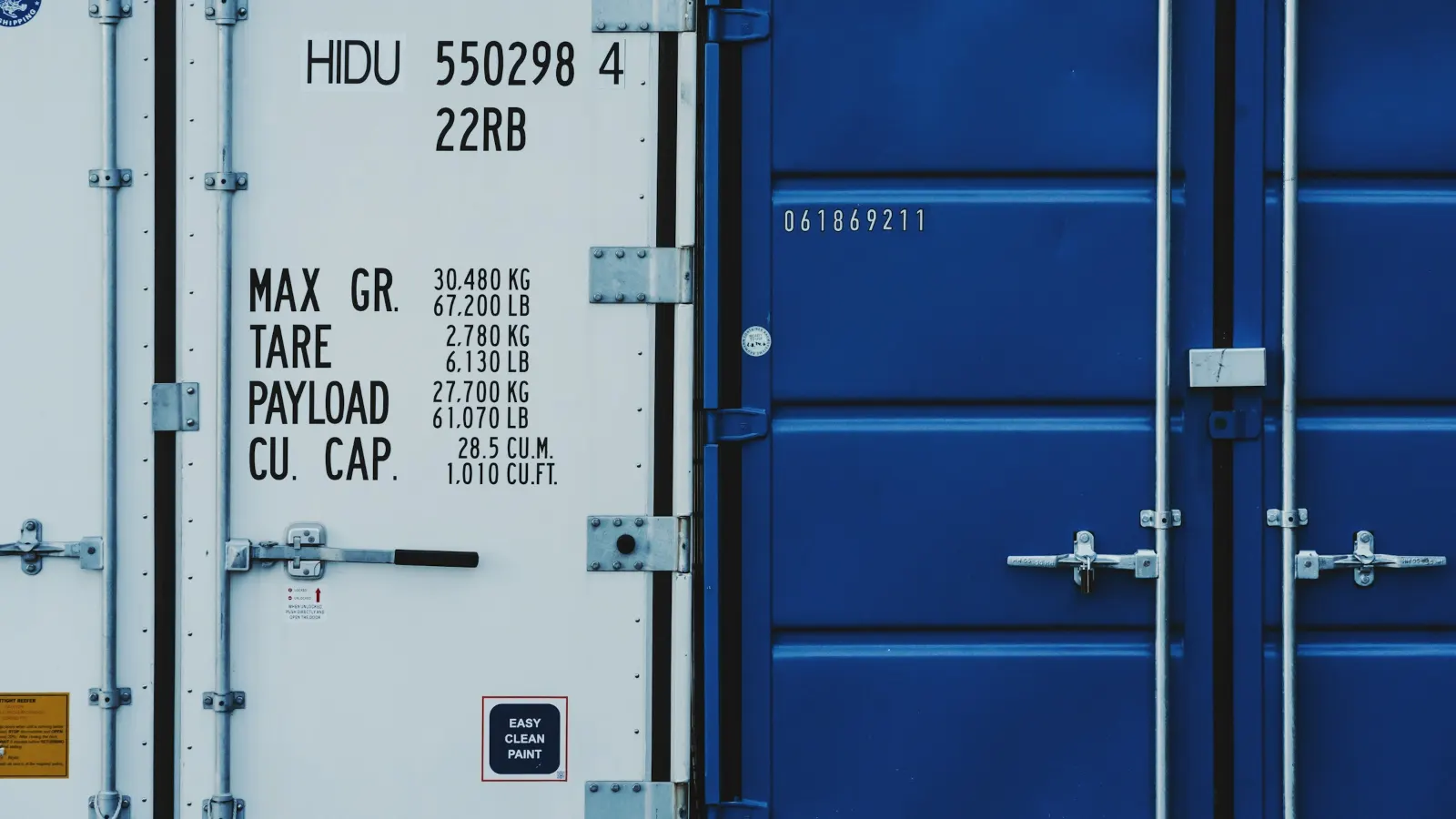
Net weight, gross weight, tare, package count, volume and value must reconcile across the invoice, packing list, bill of lading, certificate of origin, customs declaration and VGM. What each figure means, what must equal what, the legitimate reasons small differences occur, and a reconciliation routine to run before presentation.
The Document Set Behind One Shipment, in Order of Who Produces It
A reference to the documents behind one shipment, organised by issuer and stage, with a dependency map and a hypothetical route that shows how sequencing alone can cost days.